A microexperience is an AI-triggered website overlays that appear to visitors at the optimal moment to guide them toward conversion. Each micro experience is a small, non-intrusive UI element that can collect leads, show social proof, highlight offers, or guide navigation.
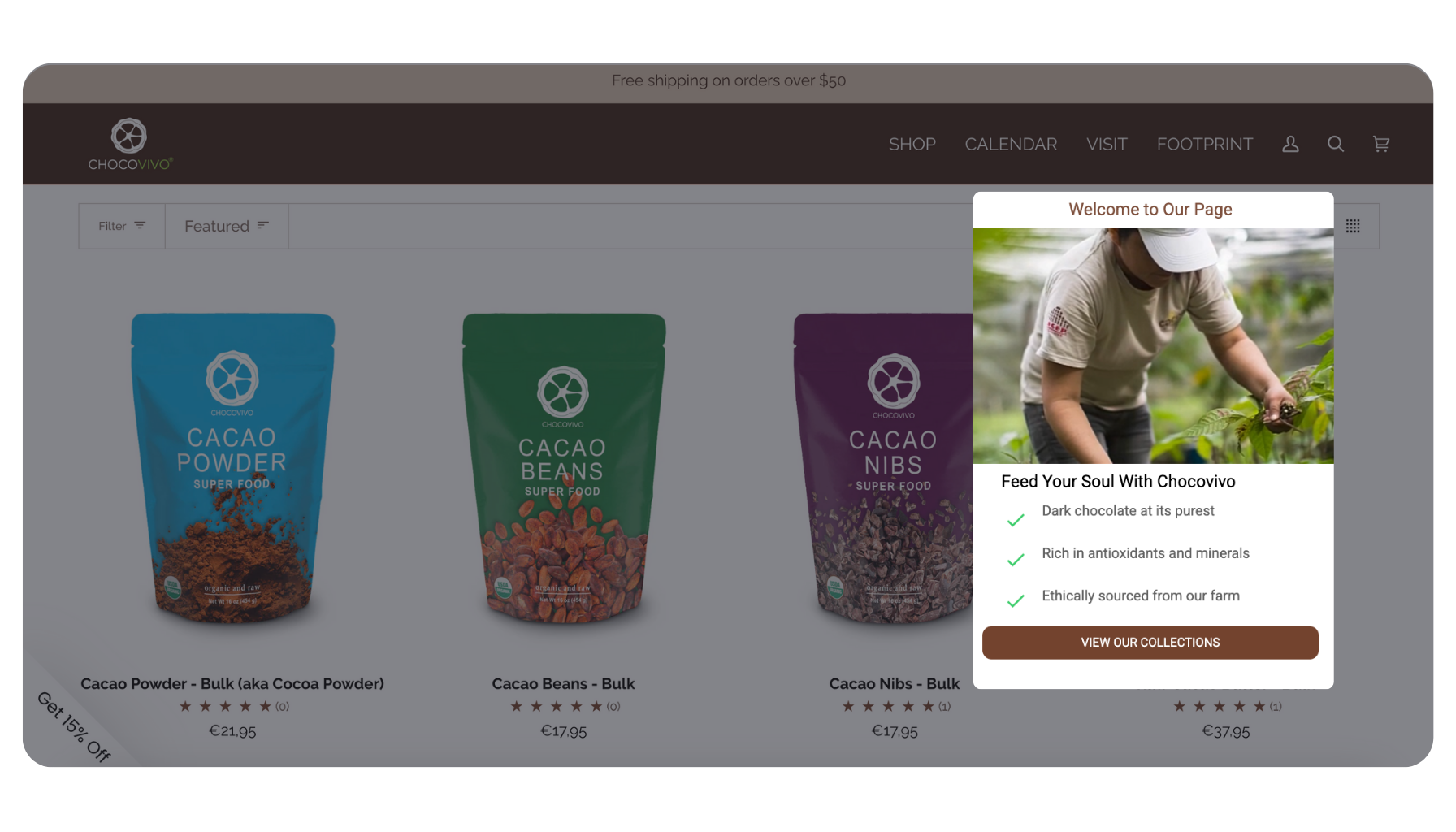
Instead of showing the same message or pop-up to everyone, Pathmonk uses AI to understand what each visitor is looking for and then triggers an micro experience that fits their intent, all in real time.
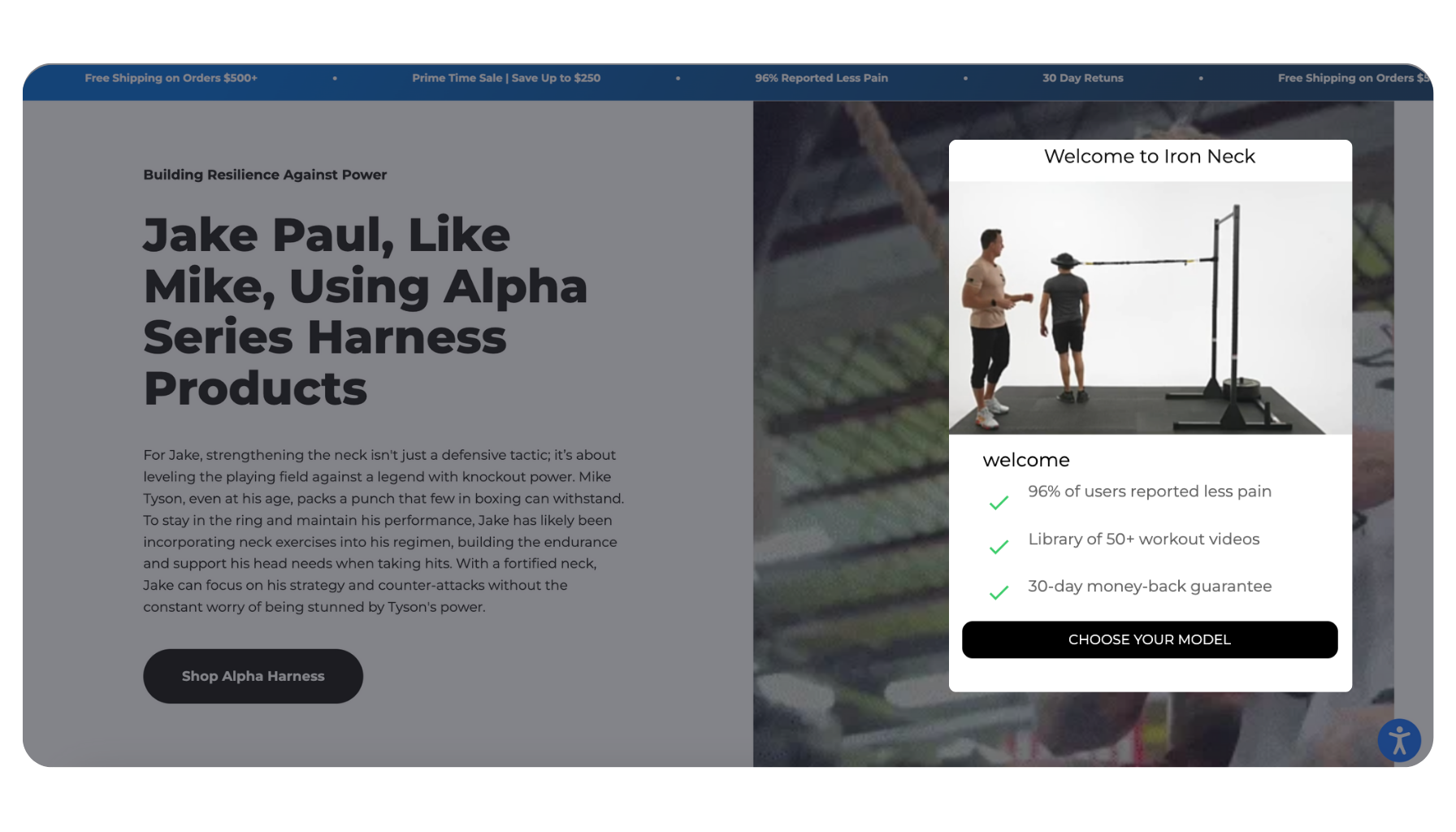
Micro experiences can take many forms, such as:
| Type | Purpose | Common Use Case |
| Lead Capture | Collect email/phone/name | Newsletter signup, demo request |
| Social Proof | Show testimonials/stats | Build trust on pricing pages |
| Smart Offer | Display promotions | Limited-time discounts |
| Navigation Guide | Direct to key pages | Guide to pricing, case studies |
| Exit Intent | Catch leaving visitors | Last-chance offer |
| Welcome | Greet new visitors | First-time visitor onboarding |
| Product Selector | Match visitors with the most relevant product | Personalized product discovery journeys |
Each micro experience is contextual, meaning it appears at the right time and in the right place based on user behavior.

| Micro experiences can | Micro experiences cannot |
|
|
|
|
|
|
How are micro experiences created?
When you activate Pathmonk, the platform automatically generates an initial set of micro experiences using AI. These are created by analyzing the existing content on your website — such as key pages, value propositions, CTAs, and messaging, to produce tailored experiences that fit your business.
Once the first batch is generated, you can manually edit, refine, or fully customize any micro experience to match your tone, goals, or branding.
If you need help reviewing or fine-tuning your micro experiences, contact our support team at support@pathmonk.com.
Was this article helpful?
That’s Great!
Thank you for your feedback
Sorry! We couldn't be helpful
Thank you for your feedback
Feedback sent
We appreciate your effort and will try to fix the article